For interior designers, homeowners, and furniture enthusiasts, achieving a well-organized closet is a cornerstone of refined home decor. Shelving units for closets organization offer both practicality and aesthetic appeal. These solutions transform cluttered spaces into elegant, functional areas. This article, filed under the 'Shelving Units' category, dives deep into how these units enhance storage while aligning with luxury design principles.
- Opt for custom shelving units to match specific closet dimensions and design styles.
- Choose materials like polished wood or metal for a luxurious, durable finish.
- Incorporate adjustable shelves to accommodate varying storage needs over time.
- Use shelving units for closets organization to display statement pieces or decor items.
- Pair shelves with built-in lighting to highlight contents and elevate ambiance.
- Consider modular designs for flexibility in reconfiguring closet layouts.
- Prioritize hidden storage options within shelves to maintain a clean, minimalist look.
Why Shelving Units Are Essential for Closet Organization
Shelving units play a pivotal role in transforming closets from chaotic to cohesive. For interior designers, these units are indispensable tools for creating tailored storage solutions. They allow for meticulous categorization of clothing, accessories, and personal items. Beyond function, they contribute to a polished, intentional aesthetic in any home.
Homeowners often struggle with limited closet space, especially in urban settings. Shelving units for closets organization maximize vertical and horizontal areas effectively. They turn cramped closets into spacious, accessible zones. This approach ensures every item has a designated spot, reducing daily frustration.
Furniture enthusiasts appreciate the craftsmanship behind premium shelving designs. High-end materials like walnut or brushed steel elevate the closet's overall look. These units often double as design statements, blending seamlessly with luxury home decor. Enthusiasts can source unique pieces that reflect personal style.
Additionally, shelving units offer versatility across different spaces. They adapt to walk-in closets, reach-in designs, or even bedroom nooks. For inspiration on complementary furniture, explore bedroom collections. This category offers ideas to pair shelving with other elegant pieces.
Choosing the Right Shelving Units for Luxury Closets
Selecting shelving units for closets organization requires a balance of form and function. Interior designers often prioritize custom solutions for high-end projects. These bespoke units fit precise measurements, ensuring no space is wasted. They also align with the client's vision for a luxurious, cohesive design.
As an Amazon Associate, we earn from qualifying purchases.
Homeowners should consider durability when investing in closet shelving. Solid wood or reinforced metal units withstand years of use. Opting for finishes that resist wear, like lacquered surfaces, is wise. This ensures the closet remains a timeless feature in the home.
As an Amazon Associate, we earn from qualifying purchases.
Furniture enthusiasts often seek shelving with unique design elements. Think carved details, integrated drawers, or sleek minimalist lines. Such features turn ordinary storage into a focal point of home decor. Platforms like Architectural Digest often showcase innovative shelving ideas worth exploring.
Finally, consider the scale of the shelving unit relative to the closet. Oversized units can overwhelm small spaces, while undersized ones fail to maximize storage. Test layouts virtually or with professional help for precision. This step ensures both practicality and aesthetic harmony.
Materials and Finishes for High-End Shelving Units
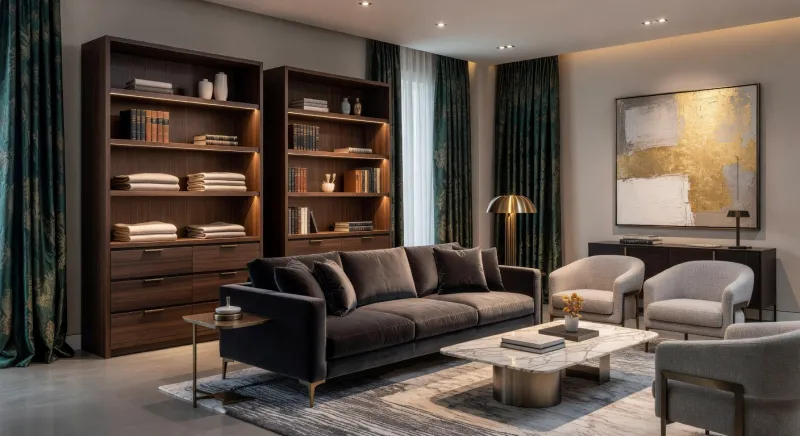
The material of shelving units for closets organization significantly impacts their look and longevity. Interior designers often recommend hardwood options like oak or cherry for warmth. These materials exude luxury and pair well with upscale home decor. They also age gracefully, adding character over time.
For a modern edge, metal shelving with chrome or matte black finishes works well. Homeowners favoring industrial or contemporary styles find these appealing. Metal units are sturdy, easy to clean, and resist humidity. This makes them ideal for closets in varied climates.
Glass shelving offers a sophisticated, airy feel for display purposes. Furniture enthusiasts might use glass to showcase designer handbags or shoes. However, tempered glass is essential for safety and durability. It ensures the shelves withstand moderate weight without risk.
Finishes also matter in achieving a polished look. Lacquered wood or powder-coated metal prevents scratches and stains. Satin or glossy options can elevate the closet's ambiance. Designers and enthusiasts often mix materials for a custom, eclectic vibe.
Maximizing Space with Shelving Units for Closets Organization
Closets often present unique spatial challenges, especially in older homes or apartments. Shelving units for closets organization are key to unlocking hidden potential. Interior designers use these units to create multi-tiered storage systems. This approach doubles or triples usable space without renovation.
Homeowners can install corner shelving to utilize awkward angles effectively. Adjustable shelves also allow customization as storage needs evolve. Stack seasonal items on higher shelves to keep daily essentials accessible. This method maintains order and reduces clutter visually.
Furniture enthusiasts often admire modular shelving for its adaptability. These units can be reconfigured or expanded as collections grow. Adding baskets or bins on shelves hides smaller items neatly. This keeps the closet looking curated rather than chaotic.
For additional storage inspiration, check out living room essentials. Many principles for living spaces apply to closets too. Resources like Houzz also offer visual guides for space optimization. Combining ideas ensures a functional yet stylish result.
Styling Shelving Units to Enhance Closet Aesthetics
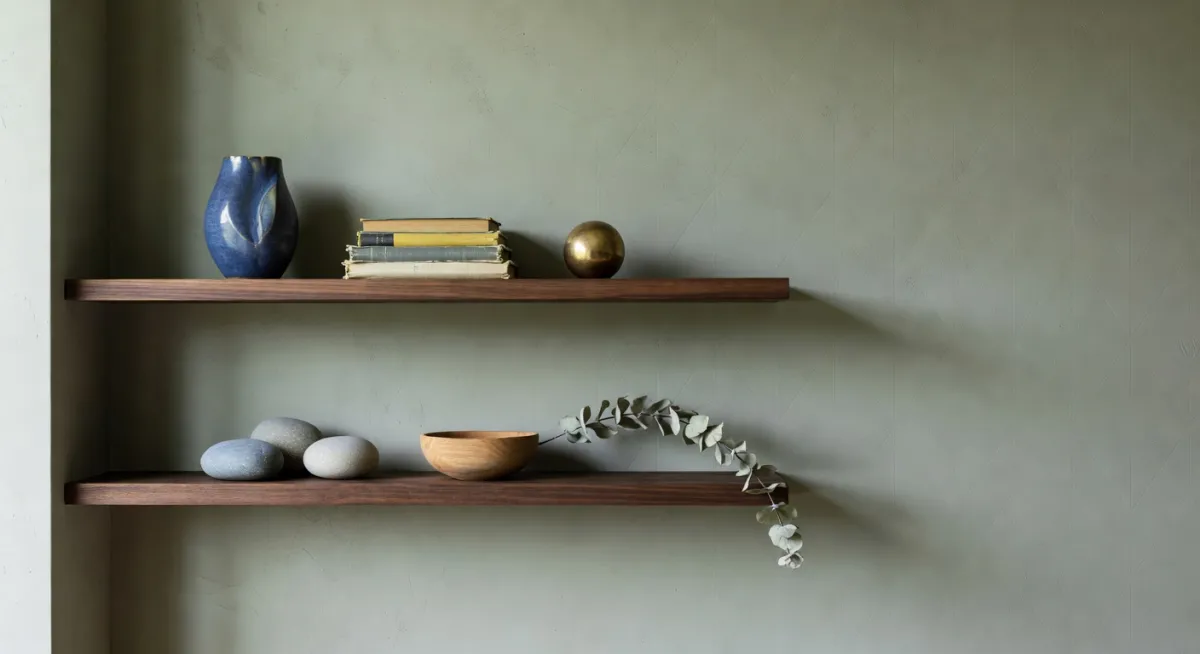
Beyond storage, shelving units for closets organization can elevate a space's visual appeal. Interior designers often style shelves with curated decor alongside practical items. Think folded linens paired with a sleek vase or sculpture. This balance creates a boutique-like atmosphere in personal spaces.
Homeowners can add personal touches to make closets feel inviting. Use color-coordinated storage boxes for a cohesive look. Place small plants or framed photos on open shelves for warmth. These elements transform the closet into an extension of home decor.
Furniture enthusiasts might focus on symmetry and proportion when styling. Align items by size or color for a harmonious effect. Incorporate LED strip lighting under shelves for a modern glow. This highlights both the shelving unit and its contents beautifully.
Remember that less is often more in styling. Avoid overcrowding shelves to maintain a clean, elegant look. Rotate decor seasonally to keep the space fresh. This approach ensures the closet remains a source of inspiration.
Final Thoughts
Shelving units for closets organization are more than mere storage solutions. They embody the intersection of functionality and luxury home decor. Interior designers, homeowners, and furniture enthusiasts all benefit from their versatility and style.
By selecting the right materials, maximizing space, and styling with intent, closets become showcases of design. Explore complementary ideas in bedroom collections to complete the look. Investing in quality shelving transforms daily routines into moments of delight.
Take action today by assessing closet needs and envisioning the perfect shelving setup. A well-organized closet enhances both home value and personal satisfaction. Start small or go bold—either way, the impact will be profound.
Frequently Asked Questions
How do I choose shelving units for closets organization?
Choosing shelving units for closets organization starts with measuring the available space accurately. Consider the items to store, like clothing or accessories, and prioritize adjustable shelves for flexibility. Opt for materials that match the home's overall decor, such as wood for warmth or metal for modernity. Consult with a designer if the budget allows, as they can suggest custom solutions. Also, think about future needs to ensure the unit remains functional. Finally, balance aesthetics with durability for a lasting investment.
What materials are best for closet shelving units?
The best materials for closet shelving depend on style and durability needs. Hardwoods like oak or maple offer a classic, luxurious feel and long-term strength. Metal units, especially in chrome or matte finishes, suit modern designs and resist moisture. Glass shelves work for lightweight display items but require careful handling. Consider the closet's environment, as humid areas need resistant finishes. Mixing materials can also create a unique, tailored look for any space.
How can shelving units maximize small closet space?
Shelving units can dramatically improve small closet spaces with strategic design. Use vertical stacking to take advantage of height, placing less-used items on top. Corner shelves make use of often-wasted angles for extra storage. Adjustable or modular designs allow customization as needs change over time. Incorporate baskets or bins on shelves to organize smaller items neatly. This approach keeps the area tidy and visually appealing despite limited room.
Are custom shelving units worth the investment for closets?
Custom shelving units are often worth the investment for tailored storage solutions. They fit exact dimensions, ensuring no space goes unused in unique closet layouts. For high-end homes, these designs add significant aesthetic value and functionality. They also allow for specific features like built-in lighting or hidden compartments. While the upfront cost is higher, the long-term benefits justify it for many. Homeowners and designers alike appreciate the personalized touch they bring.
How do I style shelving units in a closet for better decor?
Styling shelving units in a closet enhances both decor and organization effortlessly. Start by grouping items by color or type for a cohesive, polished look. Add decorative elements like small plants, vases, or framed photos for personality. Use matching storage boxes or baskets to conceal clutter while maintaining style. Incorporate subtle lighting to highlight key pieces or create ambiance. Keep shelves uncluttered by rotating decor items seasonally for a fresh feel.