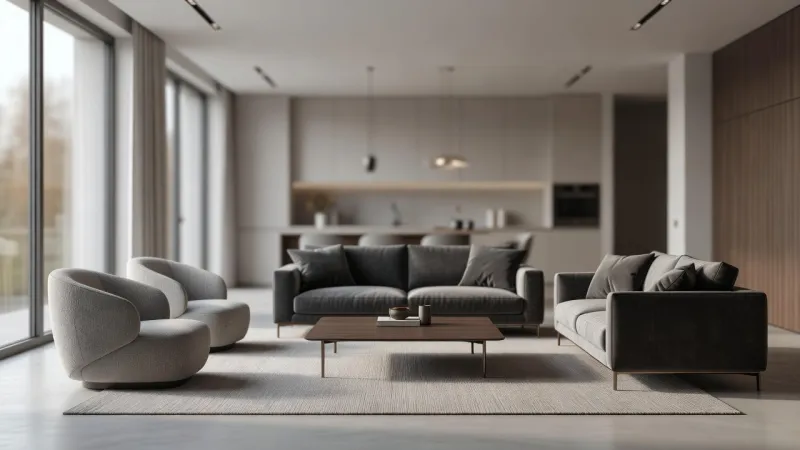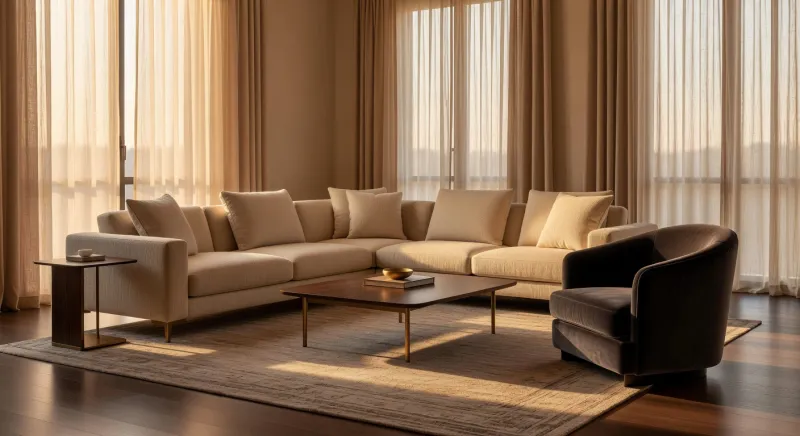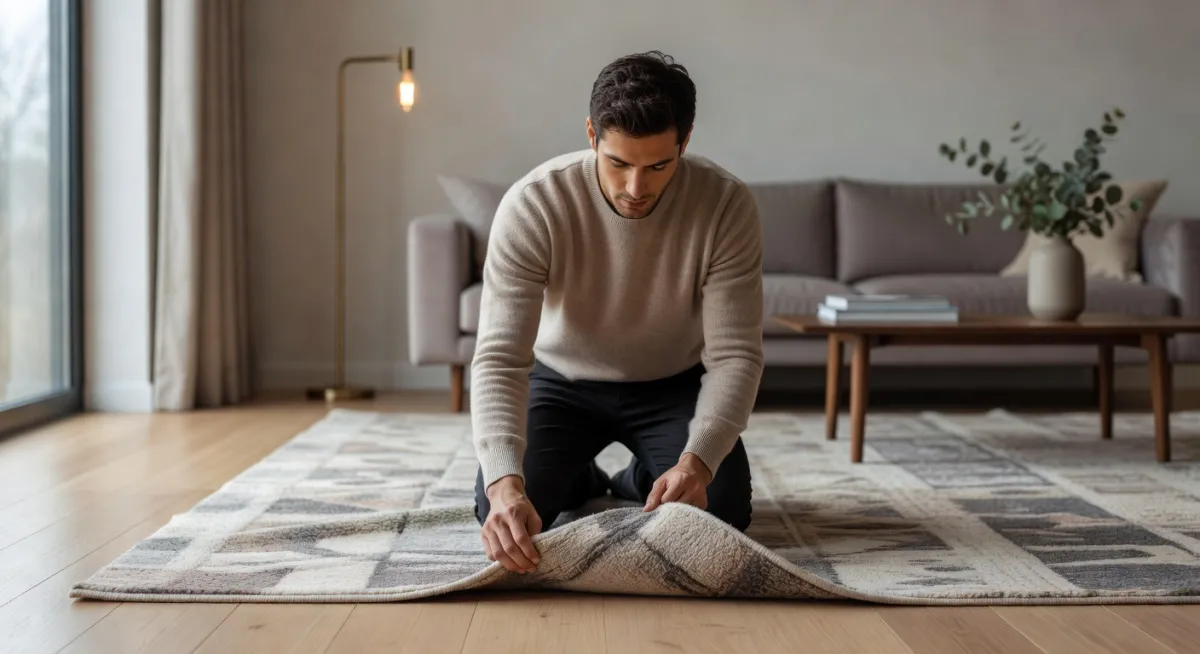
For interior designers, homeowners, and furniture enthusiasts, layering rugs on carpet is a sophisticated trend in home decor. It adds texture, depth, and personality to a space. Yet, a common frustration arises when rugs slip and slide, disrupting the aesthetic. This article tackles the challenge of rugs on carpet: how to stop moving, ensuring a polished look.
- Use rug grippers or pads to anchor rugs securely on carpet.
- Opt for heavier rugs to naturally resist movement on carpeted floors.
- Apply double-sided carpet tape for a budget-friendly fix to slipping.
- Choose rugs with rubber backing for extra grip and stability.
- Position furniture strategically to hold rugs in place without adhesives.
- Regularly adjust and reposition rugs to prevent uneven wear.
- Consult design experts for tailored solutions to rug placement issues.
Why Rugs on Carpet Matter in Interior Design
Layering rugs over carpet is a beloved technique among interior designers. It creates visual interest and defines specific areas within a room. For homeowners, this method offers a chance to refresh spaces affordably. Yet, slipping rugs can ruin the intended effect.
Furniture enthusiasts often seek ways to showcase statement pieces. A well-placed rug can highlight a luxurious sofa or table. However, constant movement undermines this curated look. Stability becomes essential for maintaining design integrity.
In professional settings, interior designers stress the importance of cohesion. A sliding rug can make a room feel chaotic. Clients notice these small details, impacting overall satisfaction. Thus, solving this issue is critical for credibility.
For those passionate about home decor, rugs on carpet offer endless creativity. They can transform a bland space into something extraordinary. But without proper anchoring, the effort falls flat. Practical solutions ensure lasting beauty in any design.
Common Causes of Rug Movement on Carpet
Rug movement on carpet often stems from a lack of friction. Unlike hard floors, carpets have a softer surface, reducing natural grip. This causes rugs to shift underfoot, frustrating homeowners daily. Understanding the root cause is the first step to fixing it.
High-traffic areas exacerbate the problem significantly. Living rooms or hallways see constant footfall, pushing rugs out of place. For furniture enthusiasts, this disrupts carefully arranged spaces. Even small shifts can throw off a room's balance.
Lightweight rugs are another frequent culprit in slippage. Many decorative pieces lack the heft to stay put on carpet. Interior designers often encounter this with trendy, thinner rugs. Choosing the right material becomes a key consideration.
Lastly, improper placement under furniture can contribute to movement. Without strategic anchoring, rugs slide when chairs or tables shift. Homeowners may not notice until the misalignment is obvious. Addressing rugs on carpet: how to stop moving starts with identifying these triggers.
Effective Solutions to Prevent Rug Slipping
One of the most reliable fixes is using rug grippers or pads. These non-slip materials create friction between rug and carpet. Interior designers swear by this method for client projects. It's a simple, effective way to maintain design precision.
Double-sided carpet tape offers a budget-friendly alternative. This adhesive secures rugs without damaging underlying carpet. Homeowners appreciate its ease of use in quick fixes. Just ensure the tape is strong enough for daily wear.
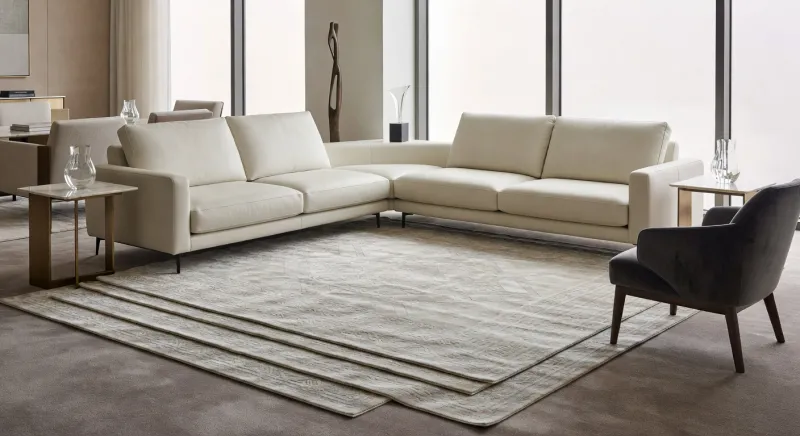
Choosing heavier rugs can also solve the issue naturally. Wool or thick cotton rugs resist movement due to their weight. Furniture enthusiasts often select these for high-traffic zones. Pairing them with key pieces enhances room stability.
Another tactic is strategic furniture placement over rugs. Positioning a sofa or table legs on the edges holds it down. Design experts recommend this for larger spaces. It's a no-cost way to tackle rugs on carpet: how to stop moving.
Choosing the Right Rug for Carpet Layering
Selecting the appropriate rug is crucial for stability on carpet. Not all materials or designs work well in layered setups. Interior designers often guide clients toward specific textures. This ensures both style and functionality align perfectly.
Rugs with rubber or latex backing provide inherent grip. These are ideal for preventing slips on soft surfaces. Homeowners find them easy to maintain and reposition. They also protect underlying carpet from wear over time.
Thicker, denser rugs offer natural weight to combat movement. Materials like jute or woven wool are excellent choices. Furniture enthusiasts value these for their durability and aesthetic. They complement luxury furniture in curated spaces.
Size matters just as much as material in rug selection. A rug too small for the space can shift easily. Designers suggest measuring carefully before purchase. For more inspiration on room essentials, explore living room essentials to pair with your rug.
Maintenance Tips for Long-Term Rug Stability
Regular maintenance keeps rugs secure on carpet over time. Vacuuming prevents dirt buildup that can reduce friction. Homeowners should focus on high-traffic areas weekly. This simple habit preserves both look and placement.
Rotating rugs periodically helps distribute wear evenly. Uneven stress can cause one side to slip more. Interior designers recommend this for heavily used spaces. It extends the life of the rug significantly.
Checking adhesives or grippers every few months is wise. Over time, these can lose effectiveness and need replacement. Furniture enthusiasts often schedule seasonal checks. This ensures rugs on carpet: how to stop moving remains a priority.
Lastly, avoid over-wetting during cleaning to prevent slippage. Excess moisture can weaken grip on carpeted surfaces. Design professionals suggest spot cleaning for spills. For bedroom setups, see complementary ideas at bedroom collections.
Expert Insights on Rug Placement Challenges
Industry leaders often share valuable advice on rug stability. Many emphasize the need for layered textures in design. However, they warn against overlooking practical anchoring methods. Slipping rugs can undo hours of styling effort.
Publications like Architectural Digest highlight innovative solutions. They often feature designer tips on balancing form and function. For interior designers, such resources are goldmines. They inspire ways to tackle common issues creatively.
Similarly, platforms like Houzz offer community-driven ideas. Homeowners share real-world fixes for rug movement. These insights help refine personal spaces effectively. They also connect enthusiasts with professional advice.
Furniture experts note that rugs define room zones clearly. Yet, without stability, this zoning loses impact. Addressing rugs on carpet: how to stop moving elevates any project. It's a small detail with a big design payoff.
Frequently Asked Questions
How do I keep a rug from sliding on carpet?
Keeping a rug from sliding on carpet is achievable with a few methods. Start by using rug grippers or non-slip pads for instant friction. Double-sided tape works well for a quick, affordable solution. Place heavier furniture on the rug's edges to anchor it. Regularly check and adjust the setup to avoid shifts. Interior designers often combine these for lasting results.
What type of rug works best on top of carpet?
Choosing the right rug for carpet layering requires attention to material. Opt for heavier options like wool or jute for natural stability. Rugs with rubber backing offer extra grip against slippage. Size matters too—ensure it's proportional to the space. Homeowners can test different textures for style and function. Furniture enthusiasts often pair these with statement pieces.
Can furniture help stop rugs from moving on carpet?
Yes, furniture can effectively prevent rugs from shifting on carpet. Place heavy items like sofas or tables on the edges. This natural weight holds the piece in place without adhesives. It's a cost-free solution for many homeowners. Just ensure the furniture aligns with the room's layout. Interior designers use this trick for rugs on carpet: how to stop moving.
Are rug pads necessary for carpeted floors?
Rug pads are highly recommended even on carpeted floors. They add an extra layer of grip to prevent sliding. Pads also protect the underlying carpet from wear and tear. Homeowners find them easy to install and replace. They're a small investment for big design benefits. Professionals often suggest them for tackling such placement challenges.
How often should I reposition rugs on carpet?
Repositioning rugs on carpet depends on usage and wear. High-traffic areas may need adjustment every few months. This prevents uneven stress and maintains stability. Rotate the piece to distribute footfall evenly across it. Homeowners should inspect for slippage during cleaning routines. Design experts advise this for long-term care of layered setups.
Final Thoughts
Securing rugs on carpet is a game-changer for flawless interior design. From grippers to strategic furniture placement, solutions abound for homeowners and designers. Addressing rugs on carpet: how to stop moving ensures spaces remain cohesive. This small fix elevates the overall aesthetic dramatically.
For furniture enthusiasts, stable rugs enhance the impact of luxury pieces. Practical tips like choosing heavier materials make all the difference. Explore more design ideas at decor and accessories for inspiration. Transform your home with confidence and style.
Take action today by assessing your rug setup. Implement one or more of these methods to stop slippage. A secure rug transforms any room into a polished masterpiece.