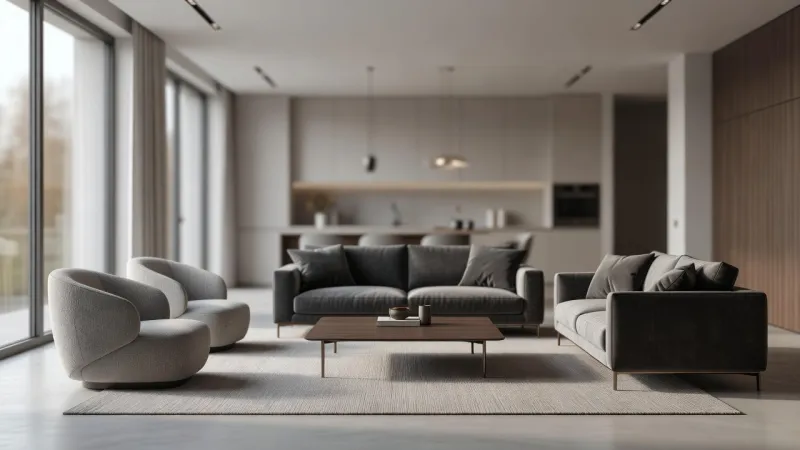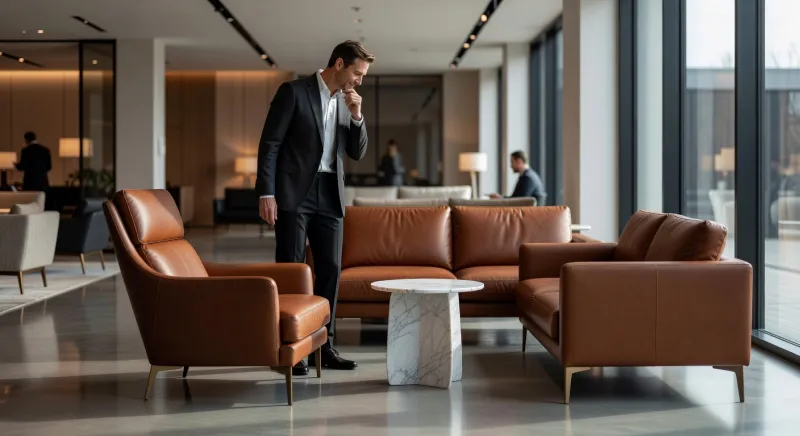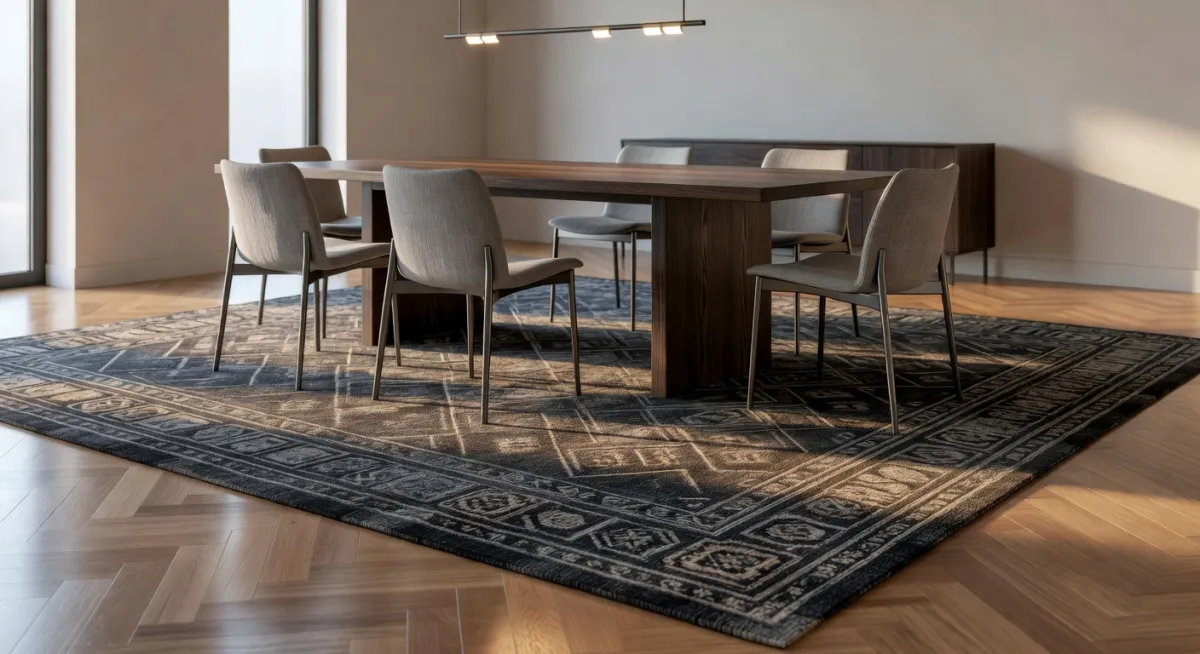
For interior designers, homeowners, and furniture enthusiasts, the living room serves as the heart of a home. It's a space where style meets comfort, and every detail matters. One of the most impactful elements in this area is the choice of rugs and carpets for living room design. These pieces do more than cover floors; they define zones, add warmth, and tie together aesthetics. This guide dives deep into selecting the perfect options to elevate any living space.
- Choose rugs and carpets for living room spaces that match your color palette for cohesion.
- Opt for durable materials like wool or nylon for high-traffic areas.
- Consider size carefully; ensure the rug anchors furniture without overwhelming the room.
- Layer textures with a mix of patterns to add depth to designs.
- Use rugs to define seating areas or create visual boundaries in open layouts.
- Prioritize maintenance; select easy-to-clean options for busy households.
- Explore eco-friendly materials for sustainable and stylish living room decor.
Why Rugs and Carpets for Living Room Matter in Design
Rugs and carpets play a pivotal role in shaping a living room's ambiance. They act as a foundation for furniture, grounding the space with color and texture. For interior designers, these elements are tools to manipulate perception. A well-chosen piece can make a small room feel larger or a vast space more intimate.
Homeowners often underestimate the transformative power of these floor coverings. A bold pattern can inject personality into a neutral room. Conversely, a subtle tone can balance eclectic decor. The right selection enhances comfort underfoot while protecting hardwood floors.
Furniture enthusiasts recognize rugs as complementary pieces to luxury sofas or statement coffee tables. They create harmony between disparate elements in a room. A plush carpet under a sleek modern sectional adds warmth. It ties the design together, making the space inviting.
Professionals know that rugs also serve practical purposes beyond aesthetics. They dampen noise in open-plan homes, a boon for families. Additionally, they offer safety by preventing slips on polished surfaces. Explore more essentials for cohesive spaces at Living Room Essentials.
Choosing the Right Material for Living Room Rugs
Material selection is critical when picking rugs and carpets for living room areas. Each option offers unique benefits tailored to different needs. Interior designers often guide clients based on lifestyle and design goals. Durability, comfort, and maintenance all factor into the decision.
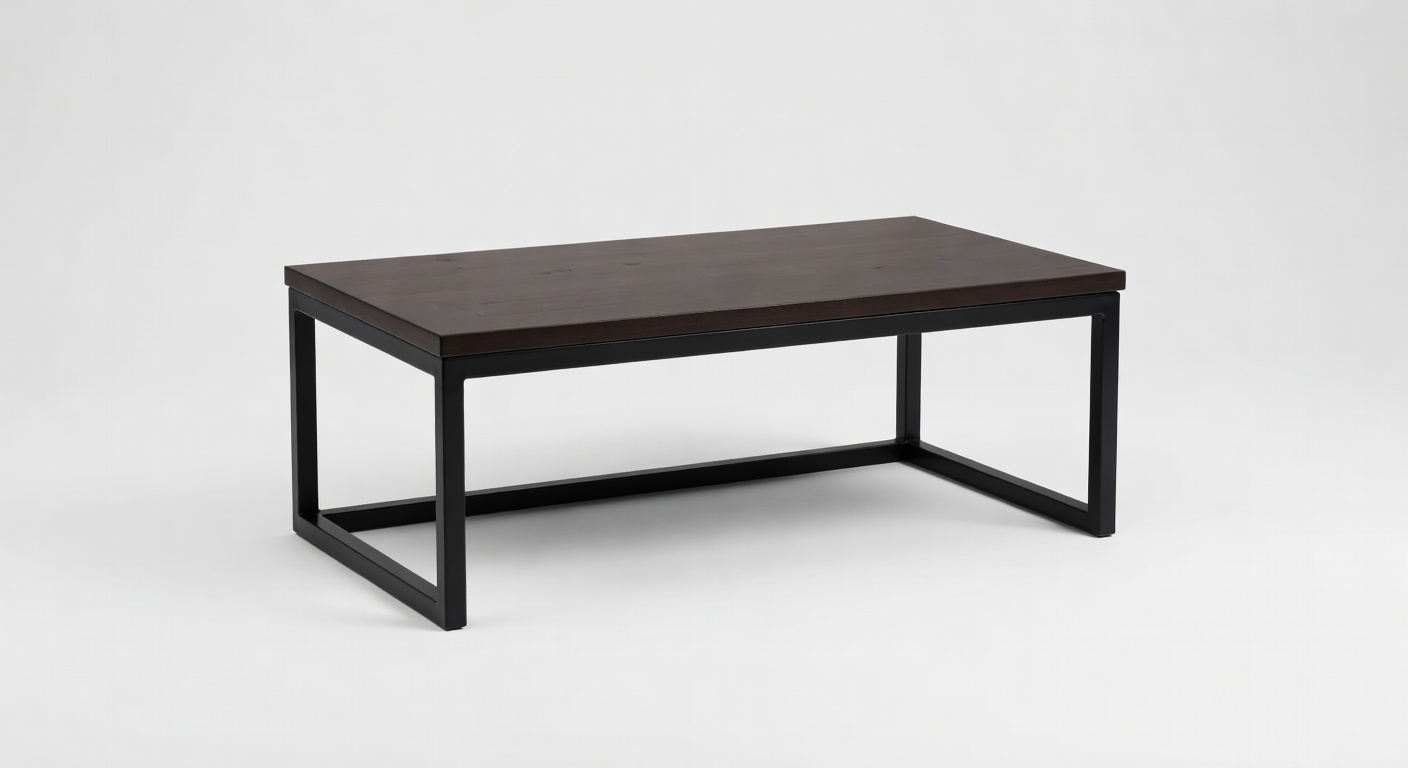
As an Amazon Associate, we earn from qualifying purchases.
Wool remains a top choice for its natural resilience and softness. It resists stains and holds color beautifully over time. This makes it ideal for homeowners seeking longevity. However, it requires regular care to avoid matting.
As an Amazon Associate, we earn from qualifying purchases.
Nylon and polyester are synthetic alternatives that suit high-traffic zones. They're easy to clean, resisting wear from constant footfall. Furniture enthusiasts appreciate their affordability alongside vibrant design options. These materials work well in homes with kids or pets.
For eco-conscious designers, jute or sisal offers sustainable appeal. These natural fibers bring earthy textures to modern spaces. They're less soft but perfect for minimalist aesthetics. Pair them with luxury furniture for a balanced look.
Size and Placement Tips for Maximum Impact
Size matters immensely when selecting rugs and carpets for living room layouts. A rug too small can make a space feel disjointed. Interior designers stress the importance of proportion. The rug should anchor key furniture pieces like sofas and tables.
A common rule is to ensure front legs of furniture rest on the rug. This creates a unified seating area. For larger rooms, a carpet covering most of the floor works best. It provides warmth and a cohesive base for decor.

Homeowners often struggle with placement in open-plan designs. Experts suggest using rugs to delineate zones like conversation areas. Place a rug under the coffee table to define the space. This visually separates it from dining or play areas.
Furniture enthusiasts can experiment with layering for added depth. A smaller patterned rug atop a neutral base adds interest. Ensure edges align with furniture for a polished look. Proper sizing transforms the room's flow and functionality.
Styles and Patterns to Match Your Aesthetic
The style of rugs and carpets for living room spaces should reflect personal taste. Interior designers often categorize options into traditional, modern, and eclectic looks. Each style serves a distinct purpose in home decor. Matching the rug to the room's vibe is key.
Traditional designs, like Persian or Oriental rugs, offer timeless elegance. Their intricate patterns suit classic furniture and rich color schemes. Homeowners favoring heritage pieces find these rugs grounding. They add a sense of history to the space.
Modern aesthetics call for minimalist or geometric patterns. Solid colors or subtle textures work in sleek, contemporary homes. Furniture enthusiasts pair these with mid-century sofas for cohesion. Resources like Architectural Digest showcase such trends often.
Eclectic spaces thrive with bold, mixed patterns or bohemian vibes. Layering different textures creates visual intrigue. Designers recommend balancing with neutral furniture to avoid clutter. This approach lets personality shine through effortlessly.
Color Choices for Harmony and Contrast
Color in rugs and carpets for living room design influences mood and style. Interior designers use color to create harmony or striking contrast. The choice depends on existing decor and desired impact. It's a powerful tool for transformation.
Neutral tones like beige, gray, or cream are versatile options. They blend seamlessly with most furniture and wall colors. Homeowners appreciate their calming effect in busy spaces. These shades also hide minor stains effectively.
Bold hues like deep blue or ruby red make a statement. They draw attention and energize a room instantly. Furniture enthusiasts use them to highlight specific areas. Pair with muted accessories to maintain balance.
Designers often consult platforms like Houzz for color inspiration. Experimenting with complementary shades adds depth. For instance, a teal rug can lift beige sofas beautifully. Test swatches in natural light before deciding.
Maintenance Tips for Long-Lasting Beauty
Maintaining rugs and carpets for living room use ensures they remain stunning. Regular care prevents wear and preserves vibrancy. Interior designers advise clients on simple routines. These habits extend the life of luxury pieces.
Vacuuming weekly removes dirt and prevents buildup. Use a low-suction setting for delicate fibers like wool. Homeowners should rotate rugs every few months. This distributes wear evenly across the surface.
Address spills immediately to avoid permanent stains. Blot with a clean cloth; never rub harshly. Furniture enthusiasts suggest professional cleaning for valuable pieces. Annual deep cleans refresh texture and color.
Protect rugs from direct sunlight to prevent fading. Use curtains or blinds during peak hours. Place felt pads under furniture legs for safety. These steps keep floor coverings pristine for years.
Frequently Asked Questions
How do I choose the right size rug for my living room?
Choosing the right size rug depends on your room's layout and furniture arrangement. Interior designers recommend measuring the seating area first. Ensure the rug extends at least under the front legs of sofas and chairs. This creates a cohesive look that ties the space together. For larger rooms, opt for a rug that covers most of the floor. Test different sizes with painter's tape to visualize before buying.
What materials are best for rugs and carpets in a living room?
Material choice for rugs and carpets for living room spaces hinges on durability and style. Wool offers natural warmth and stain resistance, ideal for elegance. Nylon suits high-traffic areas due to its resilience and easy cleaning. Natural fibers like jute bring texture but are less soft. Consider foot traffic and maintenance needs before deciding. Consult design experts for tailored advice on premium options.
Can I layer multiple rugs in my living room design?
Layering multiple rugs can add depth and personality to a space. Start with a large neutral base for grounding the room. Place a smaller, patterned piece on top for visual interest. Ensure the edges align with furniture for a tidy look. Interior designers often use this trick to define zones. It works especially well in eclectic or bohemian aesthetics.
How often should I clean my living room rug?
Cleaning frequency depends on usage and material of the floor covering. Vacuum weekly to remove dust and debris from high-traffic zones. Address spills immediately with gentle blotting to avoid stains. For deeper care, schedule professional cleaning once a year. Rotate the piece regularly to ensure even wear. This keeps the item looking fresh for longer.
What colors work best for a small living room rug?
Lighter colors can make a small space feel larger and more open. Opt for neutral tones like beige or soft gray as a base. These shades reflect light and create an airy vibe. Add subtle patterns for interest without overwhelming the room. Pair with bold furniture for balance and contrast. Homeowners can experiment with samples to find the perfect match.
Final Thoughts
Rugs and carpets for living room spaces are more than decorative elements. They shape comfort, style, and functionality in profound ways. Interior designers, homeowners, and furniture enthusiasts all benefit from understanding material, size, and color dynamics. These choices elevate any home with lasting impact.
Experimentation is key to finding the perfect fit for individual tastes. Start with practical tips on placement and maintenance shared here. Transform living areas into showcases of personal style and luxury. For more inspiration, explore Decor and Accessories.
Investing time in selecting the right piece pays off in ambiance. A thoughtfully chosen rug ties a room together effortlessly. Take action today to redefine living spaces with elegance.