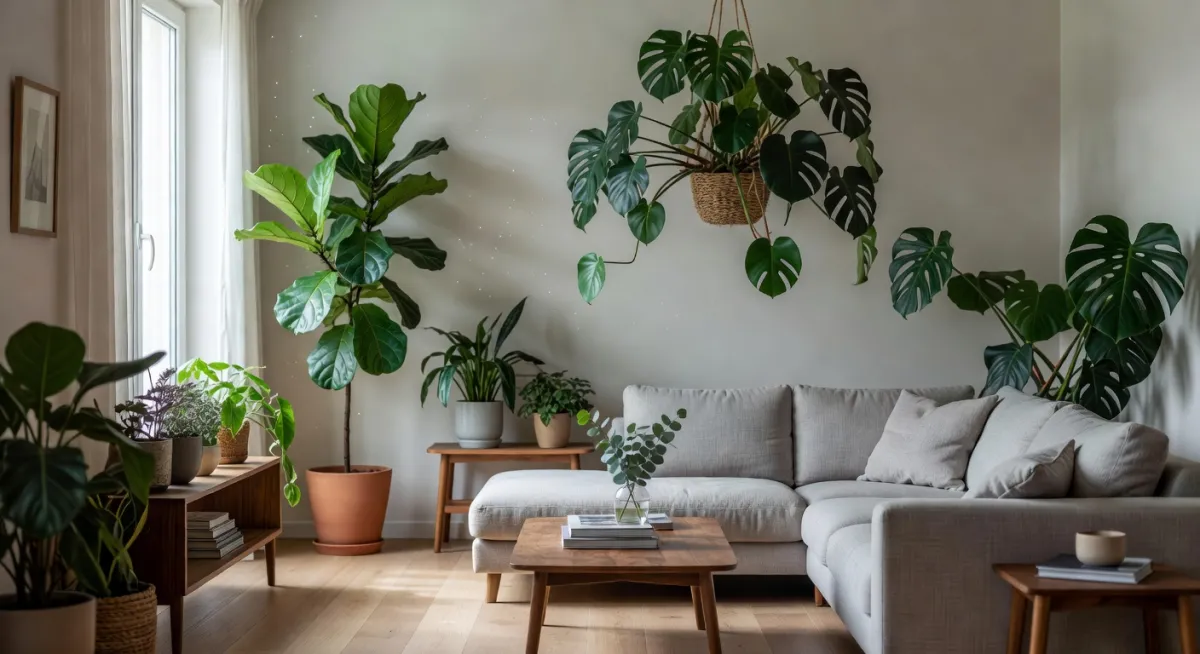
Creating a functional and stylish space starts with a living room essentials checklist. Interior designers use this approach to select pieces that blend comfort and elegance. Homeowners find it helps avoid costly mistakes. Furniture enthusiasts appreciate the focus on quality and longevity.
- Start with a comfortable sofa as the anchor piece.
- Add side tables for practical surface space.
- Include versatile lighting for different moods.
- Choose rugs to define zones and add texture.
- Select storage that doubles as display.
- Incorporate accent chairs for seating variety.
- Finish with art and accessories that reflect personality.
Living Room Essentials Checklist Basics
Interior designers recommend beginning with core seating options. A well-chosen sofa sets the tone for the entire room. Professionals in this field know that scale matters greatly. Proper proportions prevent the space from feeling cramped or empty.
Homeowners benefit from measuring their room before shopping. This step ensures furniture fits without crowding pathways. Furniture enthusiasts often study material durability at this stage. Leather and performance fabrics stand up to daily use.
Balance comes from mixing hard and soft surfaces. Wood tables pair nicely with upholstered pieces. Design enthusiasts find this contrast creates visual interest. The living room essentials checklist guides these decisions systematically.
Traffic flow remains a key consideration throughout planning. Clear walkways improve both safety and comfort. Living room essentials resources offer further layout ideas. Experts advise testing arrangements before final purchases.
For a deeper understanding of this topic, The Interior Design Handbook offers essential reading for design enthusiasts.
Selecting Core Furniture Pieces
A sofa serves as the foundation in most living rooms. Interior designers suggest choosing one with clean lines and quality construction. Homeowners should test sit before committing. Durability and style must align with lifestyle needs.
Coffee tables provide both function and focal points. Furniture enthusiasts look for pieces with storage options. These features reduce clutter while maintaining elegance. Scale should match the sofa size closely.
Accent chairs add flexibility for entertaining. Professionals in this field recommend versatile styles. They work for solo reading or additional guests. Placement near windows maximizes natural light.
Side tables complete the seating arrangement. They hold lamps and drinks conveniently. Design enthusiasts find round shapes soften angular rooms. Material choices should echo other wood tones present.
Incorporating Textiles and Lighting
Rugs anchor the seating group effectively. Interior designers choose sizes that fit under furniture legs. Homeowners gain warmth and sound absorption this way. Patterns can introduce color without overwhelming walls.
Curtains or shades control light and privacy. Furniture enthusiasts prefer natural fibers for texture. Layering with sheers allows flexibility throughout the day. Proper hanging height creates the illusion of taller ceilings.

Lighting layers create ambiance at different times. Overhead fixtures provide general illumination. Task lighting supports reading areas. Accent lights highlight artwork or architectural details.
Design enthusiasts find dimmers essential for mood control. They extend the usability of the space into evenings. Architectural Digest showcases inspiring examples regularly. Quality fixtures also add lasting value to the home.
Adding Decorative Accessories
Art and mirrors expand visual interest. Interior designers place them at eye level for impact. Homeowners should select pieces that speak to personal taste. Scale prevents walls from feeling bare or crowded.
Throw pillows and blankets introduce seasonal changes. Furniture enthusiasts rotate these items for freshness. Textures like velvet or linen add depth. Limit colors to three or four for cohesion.
Plants bring life and improve air quality. Professionals in this field suggest low-maintenance varieties. Tall plants fill corners while small ones sit on tables. They soften hard architectural lines beautifully.
Books and collected objects tell a story. Design enthusiasts arrange them in groups of three. Odd numbers create more dynamic displays. Houzz provides endless inspiration for styling.
Storage and Organization Solutions
Built-in or freestanding cabinets hide everyday items. Interior designers integrate them seamlessly with architecture. Homeowners gain peace of mind with concealed clutter. Open shelving works for curated displays only.
Media consoles manage electronics and cords. Furniture enthusiasts seek designs with ventilation. Cable management keeps surfaces clean and modern. Placement should allow comfortable viewing distances.
Ottomans with hidden storage serve multiple roles. They function as footrests or extra seating. Professionals in this field value this versatility. Choose fabrics that match or complement the sofa.
Decor and accessories complete the functional checklist. They tie the room together visually. Regular editing prevents overcrowding over time.
Frequently Asked Questions
What items belong on a living room essentials checklist?
A living room essentials checklist includes seating, surfaces, lighting, and textiles. Interior designers prioritize a sofa first. Homeowners then add tables and rugs. These elements create balance and usability.
How many seating pieces does the living room essentials checklist require?
Most checklists call for one sofa plus two accent chairs. This setup accommodates small gatherings comfortably. Furniture enthusiasts adjust based on room size. Extra ottomans provide flexible options.
Why do professionals use a living room essentials checklist?
These roles rely on checklists to avoid impulse purchases. The method ensures every piece serves a purpose. Homeowners achieve cohesive results faster this way. Quality selections last for years.
Where can homeowners find living room essentials checklist guidance?
Trusted design sites and showrooms offer practical lists. Furniture enthusiasts study material guides before buying. Interior designers share room-by-room recommendations often. Testing arrangements in person helps finalize choices.
Does the living room essentials checklist change by home style?
Core items stay consistent across most styles. Positions in this industry adapt accessories to match architecture. Modern spaces favor clean lines while traditional rooms add layers. Scale and proportion remain important in every case.
Final Thoughts
A living room essentials checklist brings order to design decisions. Interior designers, homeowners, and furniture enthusiasts all gain from this structured approach. Thoughtful selections create spaces that feel both beautiful and livable.
Start with measurements and priorities today. Quality luxury furniture and home decor pieces reward careful planning. Explore additional guidance through living room essentials for continued inspiration.