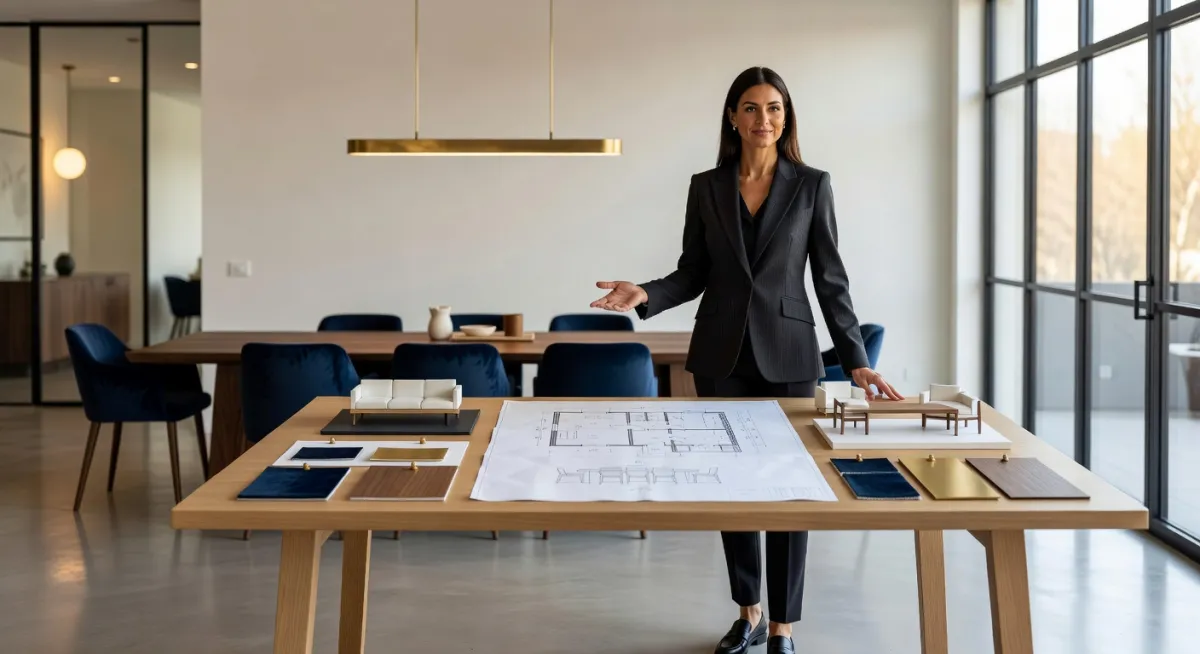
For interior designers, homeowners, and furniture enthusiasts, the concept of dining and kitchen combined design offers a unique opportunity. This approach blends two essential spaces into a cohesive, stylish, and functional area. It caters to modern living where open-plan layouts are increasingly popular. This article, filed under the 'Dining and Kitchen' category, dives deep into creating harmonious designs that elevate both spaces with luxury furniture and thoughtful planning.
- Opt for multi-functional furniture to maximize space in combined dining and kitchen areas.
- Use consistent color palettes to unify the two zones visually.
- Incorporate luxury materials like marble or hardwood for a high-end look.
- Plan lighting to define separate dining and kitchen functions effectively.
- Choose statement pieces to anchor the dining area within the space.
- Ensure adequate storage solutions to keep the kitchen clutter-free.
- Consult with design experts for custom layouts tailored to your needs.
Why Choose Dining and Kitchen Combined Design?
The trend of dining and kitchen combined design resonates deeply with modern homeowners. Open-plan living fosters connection and versatility in daily life. It allows families to cook, dine, and socialize without barriers. This layout suits compact urban homes and sprawling estates alike.
For interior designers, this design challenges creativity in zoning distinct areas. They must balance aesthetics with practicality in shared spaces. Designers often use furniture to delineate zones without walls. Luxury dining tables or sleek islands can serve as natural dividers.
Furniture enthusiasts appreciate how this layout showcases statement pieces. A stunning dining set becomes a focal point in the space. High-end kitchen islands with premium finishes also draw attention. These elements elevate the overall design effortlessly.
Homeowners benefit from the seamless flow this design provides. It enhances interaction during meals or gatherings with ease. The combined layout also maximizes natural light in many homes. Exploring resources on dining and kitchen ideas can inspire tailored solutions for any space.
For a deeper understanding of this topic, The Art of the Table offers essential reading for design enthusiasts.
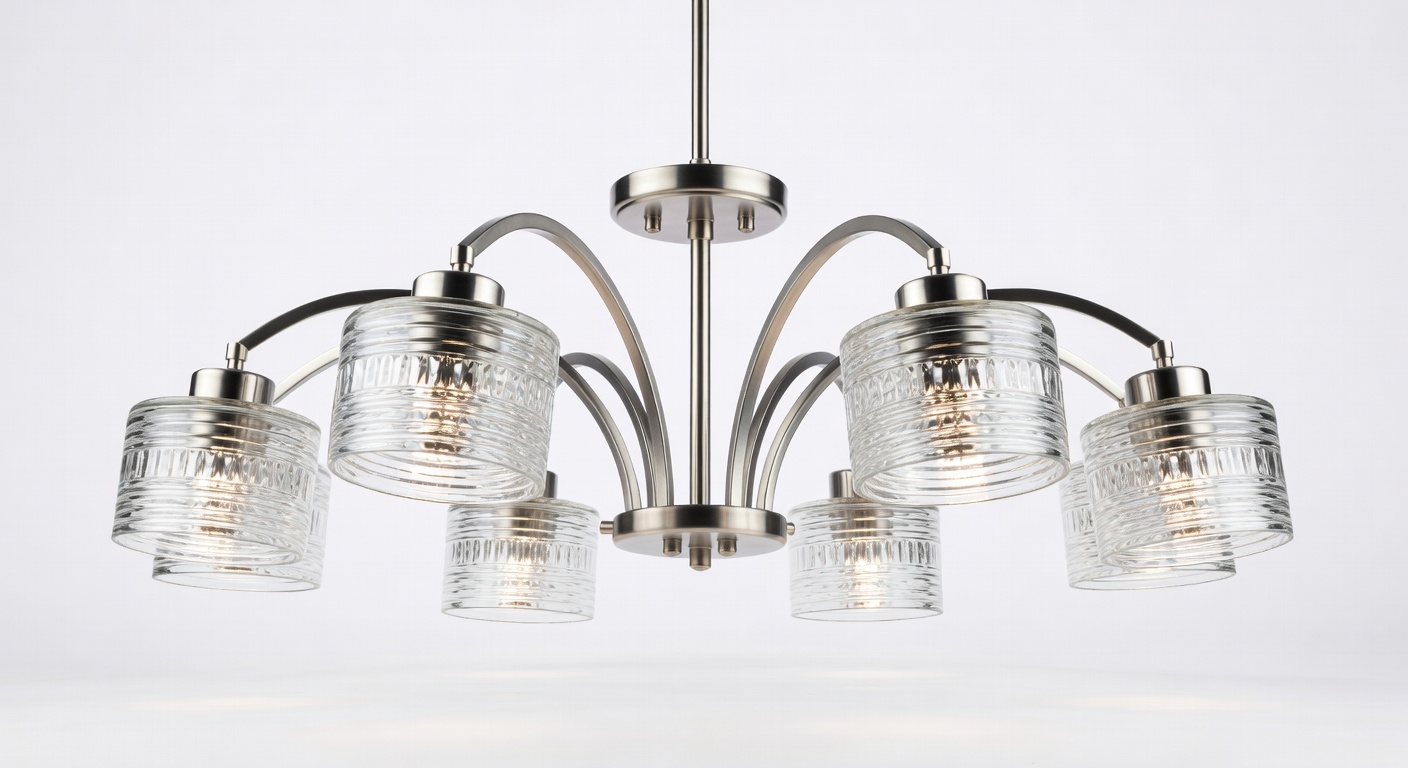
As an Amazon Associate, we earn from qualifying purchases.
Key Elements of Dining and Kitchen Combined Design
Creating a successful dining and kitchen combined design starts with spatial planning. Interior designers prioritize flow between cooking and dining zones. They ensure movement feels natural and unobstructed. A well-thought-out layout prevents clutter and enhances usability.
As an Amazon Associate, we earn from qualifying purchases.
Material selection plays a vital role in unifying these spaces. Luxury furniture with matching finishes ties the areas together. Think of polished wood dining tables paired with similar kitchen cabinetry. Consistency in textures creates a polished, high-end look.
Color schemes are equally important for visual harmony. Neutral tones often work best for a timeless appeal. Accents like bold backsplashes or vibrant chairs add personality. Homeowners can experiment with palettes that reflect their style.
Lighting design defines functionality in combined spaces. Pendant lights over dining tables create intimate settings. Under-cabinet lighting in kitchens ensures practicality during prep. Furniture enthusiasts can explore fixtures that double as decor, inspired by platforms like Houzz.
Luxury Furniture Choices for Combined Spaces
Luxury furniture transforms dining and kitchen combined design into a masterpiece. Interior designers often recommend investing in durable, elegant pieces. A grand dining table with intricate detailing sets a sophisticated tone. It becomes the heart of gatherings and meals.
Kitchen islands with premium materials elevate the cooking zone. Marble or quartz countertops offer both beauty and function. Integrated seating on islands bridges the two areas seamlessly. This design choice appeals to homeowners seeking practicality with style.

Bar stools or counter chairs add a modern touch to combined layouts. Opt for upholstered options for added comfort and luxury. These pieces must complement the dining furniture for cohesion. Furniture enthusiasts often seek custom designs for a unique flair.
Storage solutions are critical in maintaining a tidy space. Built-in cabinets or shelving keep essentials out of sight. High-end finishes on these units enhance the overall aesthetic. Designers can draw inspiration from trends on Architectural Digest for innovative ideas.
Design Tips for Seamless Integration
Integrating dining and kitchen spaces requires careful attention to detail. Interior designers suggest starting with a unified flooring material. Consistent hardwood or tile visually connects the areas. This creates a sense of expansiveness in the home.
Rugs can subtly define the dining zone within the layout. Choose luxurious textures to add warmth underfoot. Ensure the rug complements the kitchen's color scheme. Homeowners often find this trick adds depth to the design.
Wall treatments also help in zoning without physical barriers. A feature wall in the dining area draws focus. Textured finishes or bold paint can achieve this effect. Furniture enthusiasts love how such details highlight premium pieces.
Lastly, consider the scale of furniture for balance. Oversized dining tables can overwhelm a small kitchen space. Opt for extendable options for flexibility during gatherings. Checking out living room essentials can offer complementary ideas for adjacent spaces.
Common Challenges in Dining and Kitchen Combined Design
Designing a combined dining and kitchen space comes with unique hurdles. Interior designers often note the challenge of odor control. Cooking smells can linger in open dining areas. Proper ventilation systems are essential for comfort.
Noise is another concern in shared layouts. Kitchen appliances can disrupt dining conversations easily. Homeowners should invest in quieter models where possible. Strategic placement of furniture can also dampen sound effectively.
Clutter management poses a frequent issue in combined designs. Open spaces can look messy without adequate storage. Luxury furniture with built-in solutions helps maintain order. Designers recommend custom cabinetry for a tailored fit.
Balancing aesthetics with functionality often proves tricky. A beautiful design must still serve daily needs. Furniture enthusiasts suggest prioritizing versatile pieces for dual purposes. Thoughtful planning ensures neither style nor utility is sacrificed.
Maximizing Space in Combined Dining and Kitchen Areas
Space optimization is critical in dining and kitchen combined design projects. Interior designers advocate for multi-functional furniture to save room. Foldable dining tables work well in smaller homes. They offer flexibility without compromising on style.
Kitchen islands with built-in storage are game-changers for organization. They provide extra counter space for meal prep. Hidden drawers keep utensils out of sight neatly. Homeowners appreciate how this maximizes limited square footage.
Vertical storage solutions also enhance space efficiency significantly. Tall cabinets or open shelves utilize wall height. These options keep the floor area uncluttered and open. Furniture enthusiasts often seek custom designs for unique needs.
Lastly, consider the layout for easy movement between zones. Avoid placing large furniture in high-traffic paths. Ensure dining chairs don't obstruct kitchen access points. A well-planned space feels larger and more inviting to all.
Frequently Asked Questions
How do I start with dining and kitchen combined design?
Starting with dining and kitchen combined design begins with assessing your space. Measure the area to understand layout possibilities. Identify key needs like seating or storage before planning. Interior designers suggest sketching a basic layout for clarity. Look at luxury furniture options to inspire the aesthetic. Homeowners can consult experts for personalized guidance.
What furniture works best for a combined kitchen and dining area?
For dining and kitchen combined design, multi-functional furniture is ideal. Opt for extendable dining tables to save space when needed. Kitchen islands with seating blend both zones seamlessly. Choose bar stools with luxury finishes for added elegance. Furniture enthusiasts recommend matching materials for visual unity. Ensure pieces are durable for daily use in busy areas.
How can I separate dining and kitchen zones without walls?
Separating zones in a combined space can be done with furniture. Use a large dining table as a natural divider. Rugs under the dining area also define the space visually. Lighting, like pendants over tables, helps mark distinct areas. Interior designers often use color contrasts for subtle boundaries. This approach maintains an open feel while organizing functions.
What colors are best for a combined dining and kitchen space?
Neutral colors work wonderfully in shared dining and kitchen areas. Tones like beige or gray create a timeless backdrop. Add bold accents through accessories or backsplashes for interest. Homeowners should ensure colors complement luxury furniture choices. Designers suggest testing swatches under different lighting. This ensures harmony across both functional zones.
How do I manage clutter in a shared dining and kitchen layout?
Managing clutter in a combined layout requires smart storage solutions. Invest in cabinets with hidden compartments for kitchen essentials. Use decorative baskets or trays on open shelves for style. Furniture enthusiasts often prioritize pieces with dual purposes. Homeowners should declutter regularly to maintain order. Designers recommend a minimalist approach for a polished look.
Final Thoughts
Dining and kitchen combined design offers a stylish solution for modern homes. It blends functionality with luxury, appealing to homeowners and designers alike. Key strategies like unified materials and smart furniture choices create stunning results. This approach transforms everyday spaces into elegant, multi-purpose areas.
For interior designers and furniture enthusiasts, the challenge lies in balancing aesthetics. Thoughtful planning ensures these spaces remain practical yet sophisticated. Explore more inspiration by visiting dining and kitchen designs to refine your vision.
Take action today by assessing your space for a combined layout. Invest in luxury furniture that speaks to your style. With the right design, a seamless and inviting environment awaits.