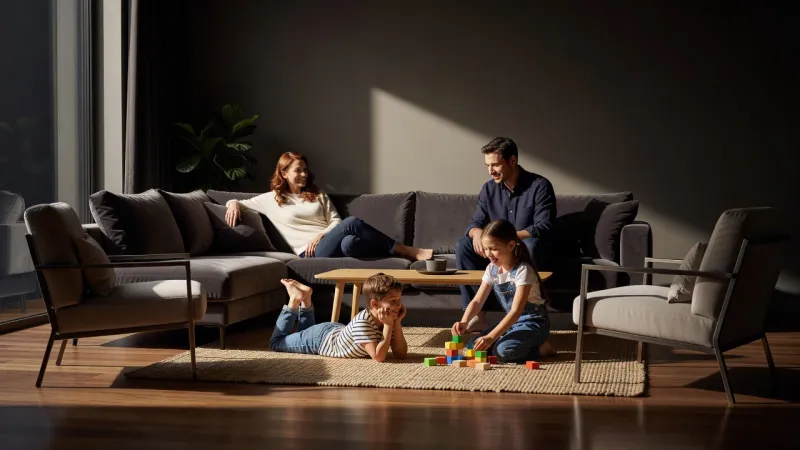
Many people explore the difference between lounger and recliner when updating their spaces. This choice impacts daily comfort and overall design flow. Professionals in interior design often guide clients through these options. Homeowners seek pieces that blend function with elegance.
- Compare seat depth and back angles before purchase.
- Match materials to your existing luxury furniture collection.
- Consider room size and traffic patterns carefully.
- Test recline mechanisms for smooth daily operation.
- Review fabric durability for long term use.
- Align style with current interior design trends.
- Factor in maintenance needs for each type.
Defining a Lounger in Armchairs and Recliners
A lounger features an extended seat for full body support. It often resembles a chaise with a gentle slope. Interior designers recommend it for reading nooks. Homeowners enjoy its relaxed posture in living areas.
Furniture enthusiasts note the open silhouette of loungers. These pieces work well in modern layouts. They provide a sense of spaciousness. Materials like leather enhance the luxury feel.
Designers place loungers near windows for natural light. This setup creates inviting corners. Homeowners appreciate the versatility in small rooms. Loungers suit both casual and formal settings.
Maintenance remains simple with quality fabrics. Regular cleaning preserves appearance. Professionals in this field suggest neutral tones. Such choices allow easy integration with other pieces.
Understanding a Recliner in Armchairs and Recliners
A recliner offers adjustable backrest positions. Users shift from upright to fully reclined. Furniture experts note its mechanical features. These include footrests and lever controls.
Interior designers select recliners for family rooms. They provide targeted support for relaxation. Homeowners value the customizable comfort levels. Recliners often include power options today.
These chairs fit well in home theaters. They enhance viewing experiences greatly. Design enthusiasts find recliners in various styles. From traditional to contemporary options abound.
Durability depends on frame construction. High end models last many years. Professionals advise checking warranty details. This ensures lasting satisfaction with the purchase.
Exploring the Difference Between Lounger and Recliner
The difference between lounger and recliner lies in design purpose. Loungers emphasize static lounging positions. Recliners focus on adjustable movement. Each serves unique needs in armchairs and recliners.
Seat structure varies between the two. Loungers have fixed extended surfaces. Recliners use hinges for position changes. This affects how they occupy floor space.

Style integration differs as well. Loungers blend into minimalist interiors. Recliners add functional elements to busy rooms. Architectural Digest highlights both in recent features.
Comfort testing reveals personal preferences. Some prefer lounger stability. Others enjoy recliner flexibility. Homeowners should try both in showrooms.
Selecting Pieces for Interior Design Projects
Interior designers evaluate room flow first. They match the difference between lounger and recliner to client lifestyles. Loungers suit quiet zones. Recliners fit active family spaces.
Color coordination plays a key role. Neutral options allow future updates. Bold accents create focal points. Professionals guide these decisions effectively.
Scale matters in larger homes. Oversized recliners need ample clearance. Compact loungers save valuable square footage. Testing layouts prevents later issues.
Budget considerations influence final selections. Premium models offer better longevity. Houzz provides visual inspiration for pairings. Clients often review multiple options before deciding.
Benefits for Homeowners and Furniture Enthusiasts
Homeowners gain daily comfort from the right choice. Loungers support extended reading sessions. Recliners aid recovery after long days. Both enhance overall living quality.
Furniture enthusiasts collect pieces with unique traits. They study the difference between lounger and recliner closely. This knowledge informs future acquisitions. Quality builds over time through informed buys.
Maintenance routines stay straightforward with care. Vacuuming prevents dust buildup. Spot cleaning addresses minor spills. Regular checks keep mechanisms working well.
Resale value improves with timeless selections. Classic designs retain appeal longer. Designers often suggest investing in solid construction. This pays off in both use and value.
Integrating into Luxury Furniture Collections
Luxury furniture benefits from thoughtful placement. Loungers add sculptural interest. Recliners deliver practical luxury. Both elevate armchairs and recliners categories.
Pairing with living room essentials creates cohesive looks. Accessories like throws complete the scene. Lighting enhances the overall mood.
Seasonal updates keep spaces fresh. Swap cushions for new textures. Rotate positions for variety. Enthusiasts enjoy these small changes.
Long term planning avoids frequent replacements. Invest in versatile designs from the start. This approach aligns with sustainable practices. Professionals support such forward thinking.
Frequently Asked Questions
What is the main difference between lounger and recliner?
The difference between lounger and recliner centers on adjustability and form. Loungers offer fixed extended seating. Recliners provide mechanical position changes. Interior designers help match these traits to specific room needs. Homeowners test both types for personal fit. Proper selection improves daily comfort levels significantly.
How do loungers and recliners affect interior design choices?
These furniture types shape room layouts and flow. Loungers create relaxed visual lines. Recliners add functional depth to seating areas. Design enthusiasts select based on traffic and style goals. Professionals in this field recommend scale testing first. Both options enhance luxury furniture statements effectively.
Which works better for small living spaces?
Compact loungers often suit tight areas well. They avoid extra mechanical bulk. Recliners require clearance for full operation. Homeowners measure rooms before final decisions. Designers suggest scale models for preview. This prevents costly placement errors later.
Can both types fit modern luxury homes?
Yes, updated versions suit contemporary luxury homes. Clean lines define many lounger styles. Sleek recliners now feature hidden mechanisms. Furniture enthusiasts pair them with matching accessories. Quality materials elevate the overall aesthetic. Careful curation maintains design harmony throughout.
Where should these chairs go in a home?
Placement depends on primary use patterns. Loungers thrive near natural light sources. Recliners suit media or reading zones. decor and accessories complete the setup nicely. Professionals advise traffic flow analysis first. Homeowners enjoy testing positions over several days.
Final Thoughts
Understanding the difference between lounger and recliner leads to better furniture decisions. Interior designers and homeowners benefit from this knowledge. It supports lasting comfort and style in any space.
Explore options in showrooms to confirm preferences. Quality pieces enhance daily living for years ahead. Review living room essentials for complementary ideas today.
Start your search with clear needs in mind. This ensures the perfect match every time.